
How To Choose The Correct Cooking Method For Different Types Of Potatoes
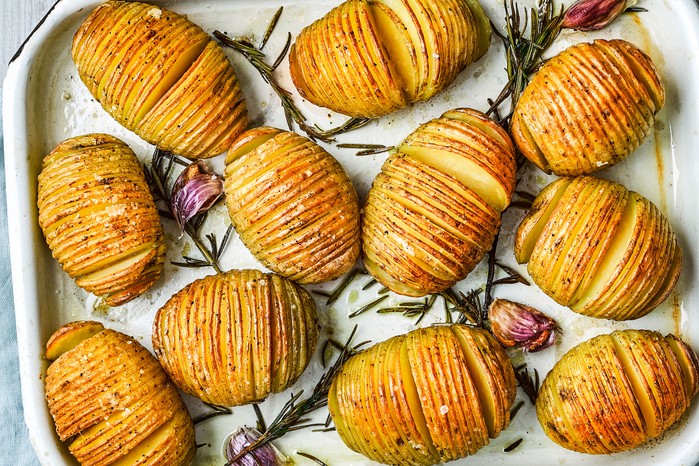
One of the most adaptable items in daily cookery is potatoes. They may be used to make robust soups, smooth mash, crispy fries, fluffy baked potatoes, or soft salad accents. But not all potatoes react to heat in the same way. Variations in skin, texture, wetness, and starch may have a big impact on the outcome. Home chefs may improve texture and flavor by learning about potato varieties and pairing them with appropriate cooking techniques. When selecting potatoes, it is helpful to think about how their inherent qualities will react to boiling, roasting, baking, frying, or mashing rather than just looking at them. Recognizing The Fundamental Distinctions Potatoes are often categorized based on how much moisture and starch they contain. Some are rather dry and have a high starch content, while others are wetter and retain their form. Additionally, there are adaptable varieties that lie in the middle of these two groups. When cooked, starchy potatoes often become light and fluffy. They are especially helpful for recipes where softness is crucial because of how quickly their structure disintegrates. Waxy potatoes tend to hold together when cooking and have a stronger texture. All-purpose potatoes are appropriate for a range of cooking techniques and possess traits from every category. Selecting the appropriate potato is considerably simpler when you are aware of these fundamental distinctions. Selecting Potatoes For Baking Potatoes with a high starch content are particularly good for baking. As they cook, the exterior may acquire a delightfully crunchy skin while the inside becomes soft, dry, and fluffy. After baking, potatoes with a solid, waxy inside could stay firmer. They often lack the conventional fluffy feel of a baked potato; however, they may still be delicious. Therefore, when the inside texture is the primary concern, choosing a starchier alternative is a wise decision. Choosing The Correct Mashing Type Selecting the right potato is crucial for smooth, fluffy mashed potatoes. After boiling, high-starch potatoes readily disintegrate, making it simpler to mash them into a soft consistency. Avoiding overmixing is also crucial. When overworked, even the best potato may get gluey or sticky. A lighter texture is maintained by careful heating and gentle mashing. A little denser and creamier mash is preferred by certain chefs. In this instance, blending several potato varieties might provide a harmony between richness and fluff. Choosing Potatoes For Salads And Boiling Waxy potatoes are usually a better option when they need to keep their form. They can tolerate boiling without disintegrating too soon because of their sturdy composition. They are very helpful for potato salads, soups, stews, and other foods where individual pieces should be seen because of this feature. When handled correctly, they are less likely to grow too soft and may be sliced or diced before cooking. Another way to preserve the texture of boiling potatoes is to let them cool slightly before adding them to a salad. Improving The Outcomes Of Roasting A potato that can acquire a crisp skin while retaining a pleasing inside is necessary for roasting. Depending on the intended outcome, both starchy and all-purpose potatoes may work well. A potato with a higher starch content may have a particularly fluffy interior with crisp edges. While browning nicely, all-purpose potatoes may have a somewhat firmer inside. Cutting potatoes into pieces of the same size promotes even cooking. Overcrowding may retain moisture and prevent browning, so it’s equally vital to give them ample room on the roasting tray. Choosing Potatoes To Fry Higher starch and lower moisture potatoes are often better for fries, wedges, and other fried potato meals. While starchier potatoes often have a fluffy inside, too much moisture might interfere with crispness. The outside texture of sliced potatoes may be further enhanced by drying them before frying. Additionally, uniform size ensures that every component cooks at about the same pace. Getting The Most Out Of Each Potato A final meal may be much improved by carefully selecting the potatoes. Instead of using all types interchangeably, think about if the recipe calls for crispness, creaminess, firmness, or fluffiness. Choosing the best cooking technique becomes a lot easier once you understand how various potato varieties react to heat. An average potato meal may be transformed into one that achieves the precise consistency and cooking outcome you wanted with a little attention to texture and starch content.